
Have Questions About Hospice Care?
Our compassionate team at Oasis Hospice & Palliative Care is here to provide clarity, guidance, and support.
✓ Serving Cook, Will, and DuPage Counties
✓ CHAP Accredited | Medicare Certified
Not every hospice journey happens in the home.
At Oasis Hospice & Palliative Care, we understand that the decision to transition from home to inpatient care can feel overwhelming. Families often worry they’re “giving up”, or are simply unsure of what moving a family member into a facility really entails.
The fact is, inpatient hospice is a tool designed to address complex symptoms, provide respite, and offer specialized care when it’s needed most. It’s not about shipping someone away, but about ensuring your loved one receives the right level of care at the right time.
Some patients experience symptoms that escalate beyond what can be managed in a home setting, even with the support of skilled hospice nurses and continuous care. Others face situations where caregivers are physically or emotionally exhausted and need relief. In these moments, inpatient hospice care provides a safe, compassionate solution that ensures patients receive intensive medical support while families find rest and reassurance.
This guide explains when inpatient hospice is necessary, what to expect, and how we partner with House of Goshen to provide seamless hospice care for families across Illinois.
Inpatient hospice care is a specialized level of hospice service designed for patients who require continuous medical supervision and intensive symptom management that cannot be provided at home. Unlike hospital care, which focuses on curing illness, inpatient hospice prioritizes comfort, dignity, and quality of life. Inpatient care can be provided in several settings, including hospitals, skilled nursing facilities, or dedicated hospice inpatient units, like House of Goshen. The choice of setting depends on the patient's needs, available resources, and family preference.
Inpatient hospice stays are typically short-term (3-5 days on average), with the goal of stabilizing symptoms so the patient can return home to routine hospice care. However, some patients remain in inpatient care longer based on their medical needs.
The patient experiences severe symptoms—uncontrolled pain, difficulty breathing, agitation, or other distressing conditions—that require immediate, specialized intervention beyond what home care can provide.
The primary caregiver needs a temporary break (up to five consecutive days) to rest and recharge. During this time, the patient receives expert care in a safe, comfortable inpatient setting.
Some families prefer the security of 24/7 medical support in a facility setting, particularly as the patient's condition progresses. This is a valid choice and one that hospice teams fully support.
Deciding when to request inpatient care isn’t always straightforward. Families can often hesitate, worrying that symptoms aren’t severe enough. The truth is, if you’re questioning whether inpatient care is needed, it is worth discussing with your hospice team.
Common symptoms requiring general inpatient care (GIP) include:
Beyond physical symptoms, there are practical and emotional factors that may warrant inpatient care:
Family crisis: A sudden change in family circumstances (illness of the caregiver, lack of available support) makes home care temporarily impossible.
“Requesting inpatient care is not a sign of failure,” per Dr. Dana Dillich, Medical Director at Oasis Hospice. “It’s a responsible decision that ensures the patient receives the level of medical attention they need. We encourage families to communicate openly with us so we can respond quickly and appropriately.”
Hospice care is not one-size-fits-all. Medicare recognizes four distinct levels of care, and patients can move between these levels as their needs change. Understanding these levels helps families recognize that hospice is flexible and responsive
Patients frequently transition between these levels based on their changing condition. For example, a patient receiving routine home care may need continuous care during a symptom flare-up, then transition to general inpatient care if symptoms remain uncontrolled, and eventually return home once stabilized. This fluidity is one of hospice care’s greatest strengths.
For families in the Chicago Southland seeking inpatient hospice care that combines clinical excellence with a faith-centered, home-like environment, House of Goshen offers an exceptional alternative to hospital-based or nursing facility inpatient care.
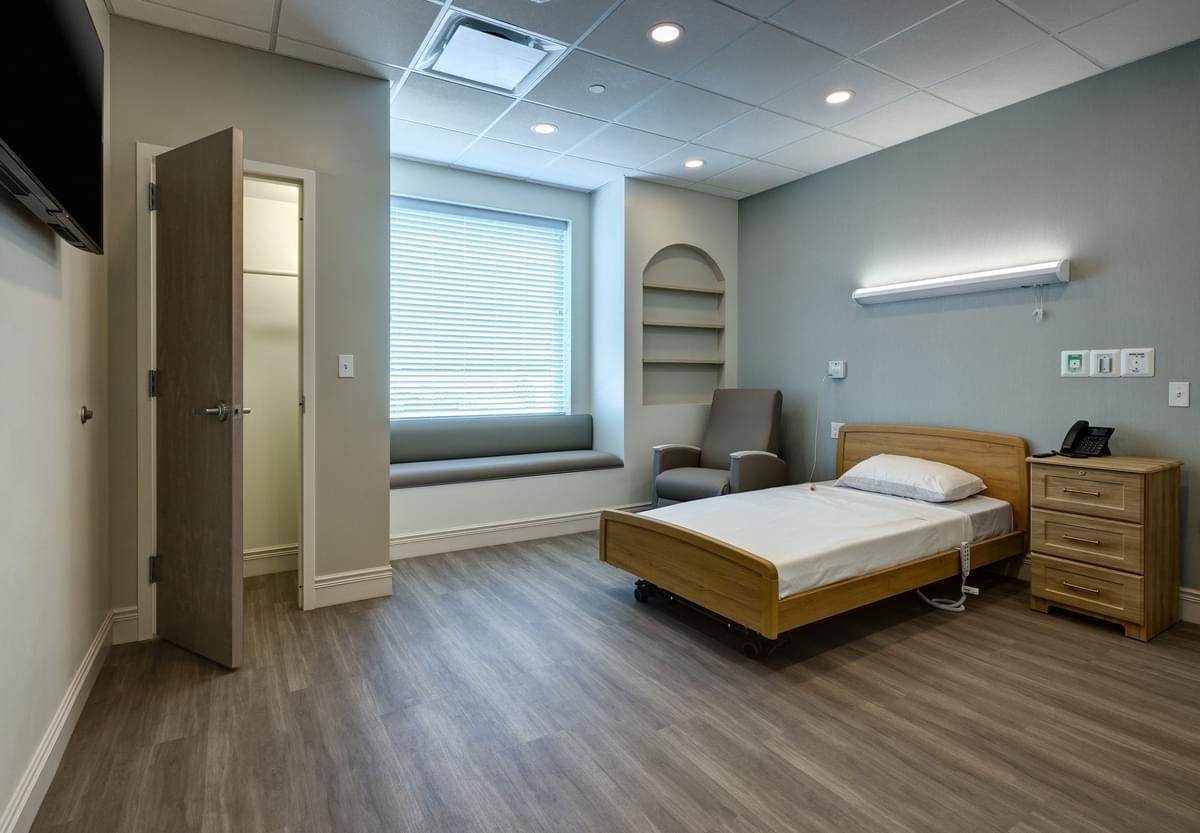
Located in Flossmoor, Illinois, Goshen is a state-of-the-art, 14-bedroom dedicated hospice inpatient facility designed specifically for end-of-life care. Unlike hospitals, where hospice patients may feel like an afterthought in a noisy, clinical setting, House of Goshen was built from the ground up to provide comfort, dignity, and peace.
Purpose-Built Environment
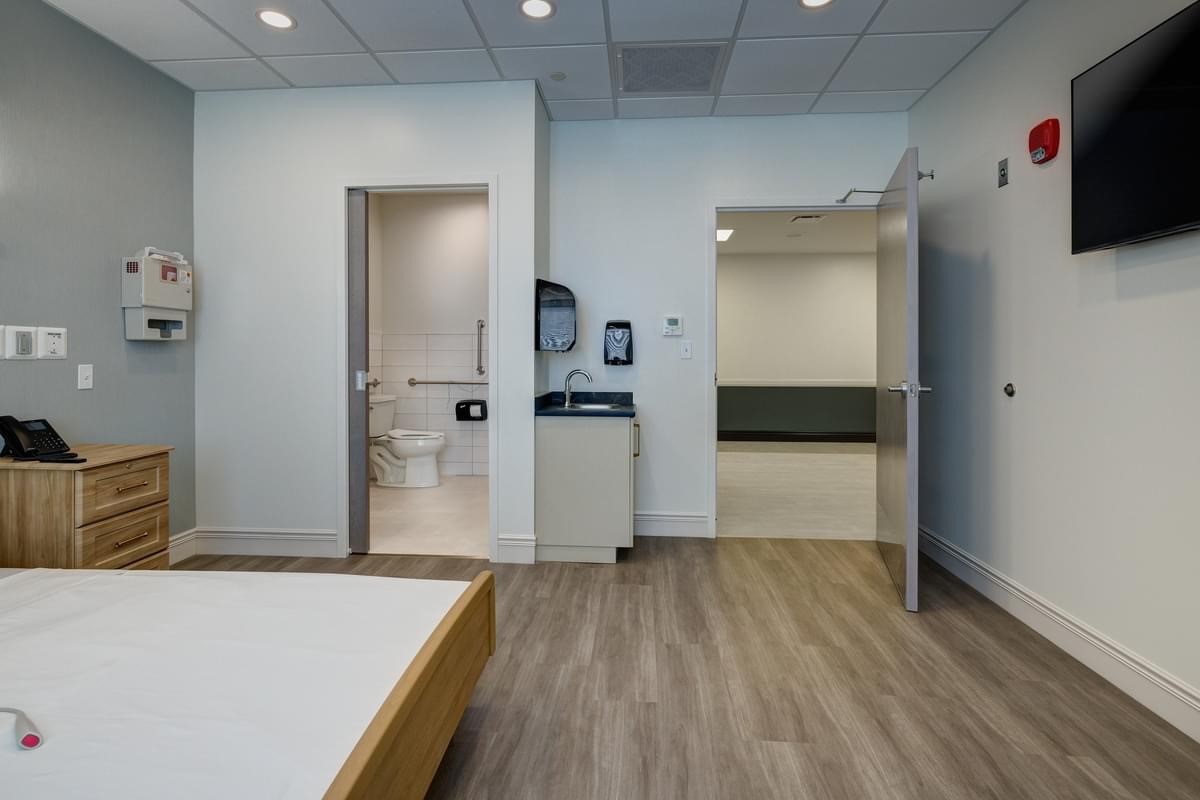
Every detail of House of Goshen’s design prioritizes patient comfort and family connection. The facility features 14 private suites, each spacious enough to accommodate family members who wish to stay overnight. There are no restrictive visiting hours—families can be present 24/7, ensuring they never miss precious moments with their loved one.
The environment is serene and home-like, with natural light, peaceful common areas, and a chapel for reflection and prayer. This is not a hospital ward; it’s a sanctuary designed to honor the sacred nature of life’s final chapter.
When a patient is admitted to House of Goshen, the clinical team conducts a thorough assessment to understand the patient’s symptoms, preferences, and goals. A personalized care plan is developed immediately, focusing on comfort, dignity, and quality of life.
Daily care includes:
Families are encouraged to participate in care as much or as little as they wish. Some families prefer to be present constantly, while others appreciate the respite that comes from knowing their loved one is in expert hands.
When symptoms stabilize, discharge planning begins. The Oasis and House of Goshen teams coordinate closely to ensure a smooth transition back home, with all necessary equipment, medications, and support services in place before the patient leaves.
24/7 Expert Medical Care
House of Goshen provides round-the-clock skilled nursing and physician oversight, ensuring patients receive the highest level of symptom management and medical support. When pain, nausea, breathing difficulties, or agitation arise, the clinical team responds immediately with expertise and compassion.
“We provide intensive symptom management in a setting that feels safe and dignified” says Melissa, our Registered Nurse at House of Goshen. “Families tell us all the time how they feel relieved knowing their loved one is cared for by people who truly understand the importance of hospice care.”
Holistic, Faith-Centered Care
House of Goshen’s approach extends beyond physical symptom management. The interdisciplinary team includes:
This holistic model ensures that patients and families receive care that honors the whole person—mind, body, and soul.
Accreditation and Clinical Excellence
House of Goshen holds CHAP (Community Health Accreditation Partner) accreditation, the gold standard in hospice and palliative care quality. Our facility also partners with local organizations such as University of Chicago Medical, providing families with the confidence of knowing that their loved one is receiving the best care backed by both clinical expertise and rigorous quality standards.
Specialized Veteran Services
Finally, House of Goshen also includes a dedicated veteran room and specialized services for those who served in the military. From personalized pinning ceremonies to VA benefit coordination, veterans receive care that honors their service and sacrifice.
“House of Goshen was created to be a sanctuary; where patients receive the highest level of care in an environment that honors their entire person” says Hakeem Bello, CEO of Oasis Hospice and House of Goshen. “Families don’t just receive expertise—they experience refuge.”

Medicare fully covers inpatient hospice care for eligible patients. Understanding how this coverage works helps families make decisions without financial stress.
Medicare Hospice Benefit Eligibility:
To qualify for Medicare-covered hospice care (including inpatient care), patients must:
What Medicare Covers:
Medicare covers all four levels of hospice care, including general inpatient care (GIP) when medically necessary. This includes:
Families often feel uncertain about what an inpatient hospice stay will look like. Here’s what to expect:
Admission Process:
When your Oasis care team determines that inpatient care is needed, they coordinate the admission to House of Goshen or another appropriate facility. The process is designed to be as smooth as possible, with minimal burden on the family. Transportation is arranged, medical records are transferred, and the receiving team is briefed on the patient’s condition before arrival.
Daily Routines:
Inpatient hospice care is patient-centered, meaning routines are flexible and tailored to individual needs. Unlike hospitals with rigid schedules, inpatient hospice allows patients to rest, receive visitors, and participate in activities according to their preferences and energy levels.
Family Involvement:
Families are welcome to visit anytime and participate in care. Many families appreciate the opportunity to be present without the pressure of managing all aspects of care themselves. Social workers and chaplains are available to provide emotional support, answer questions, and help families navigate difficult decisions.
Discharge Planning:
The goal of general inpatient care is to stabilize symptoms so the patient can return home. Once symptoms are controlled, the team begins planning for discharge, ensuring all necessary equipment, medications, and home care services are in place before the patient leaves.
In some cases, patients remain in inpatient care if their condition does not stabilize or if the family determines that the inpatient setting is the best environment for their loved one’s final days. These decisions are made collaboratively, with full support from the care team.
Most general inpatient stays last 3-5 days, though this varies based on the patient’s symptoms and response to treatment. Some patients return home within a few days, while others remain longer. Respite care stays are limited to five consecutive days.
Yes. Many patients stabilize during their inpatient stay and return home to continue routine hospice care. The care team works closely with families to ensure a smooth transition.
Hospitals provide general inpatient hospice care but often in a busy, clinical environment not designed for end-of-life care. House of Goshen, as a dedicated hospice facility, offers a peaceful, home-like setting with staff trained exclusively in hospice and palliative care. Families often find the environment at House of Goshen more comforting and conducive to meaningful time together.
Of course! House of Goshen’s private suites are designed to accommodate family members who wish to stay overnight. There are no visiting hour restrictions.
The hospice team works diligently to manage symptoms through medication adjustments, non-pharmacological interventions, and compassionate support. In rare cases where symptoms remain difficult to control, the team consults with specialists and adjusts the care plan accordingly. Families are involved in all decisions.
No. Medicare and other insurance plans cover inpatient hospice care, whether it’s provided at a hospital, skilled nursing facility, or House of Goshen. Families do not pay more for the enhanced environment and services at House of Goshen.
Choosing inpatient hospice care is not a decision to give in. It’s a decision that prioritizes your loved one’s comfort and your family’s well-being during what can be an incredibly challenging time.
At Oasis Hospice & Palliative Care, we’re committed to providing seamless, compassionate care across all levels of service—from routine home care to specialized inpatient support at House of Goshen. Our partnership ensures that families experience continuity, expertise, and dignity every step of the way.
If your loved one’s symptoms are escalating, if you’re feeling overwhelmed as a caregiver, or if you simply have questions about whether inpatient care might be appropriate, we’re here to help. Our team is available 24/7 to assess needs, answer questions, and coordinate the right level of care.
Receive Quality, Dignified Care at Oasis Hospice